Comments on Second Quarter 2017
Cobas Asset Management is a Madrid deep-value firm founded in late 2016 by Francisco García Paramés, Europe's standard-bearer of value investing after 25+ years running Bestinver and author of "Investing for the Long Term". Cobas applies a strict Graham/Buffett value framework overlaid with Austrian business-cycle theory, concentrating in unloved energy, shipping and other cyclicals, with AUM above €3.4bn. Its investor letters are fully archived from Q1 2017, moving to a semi-annual cadence in 2022.
In plain words
This report covers Cobas funds' performance in Q2 2017. The funds lost money because European stocks fell and the dollar weakened against the euro (from 1.05 to 1.11). The manager thinks good European companies are too expensive, so he invested more in non-European firms (like Hyundai and Samsung) and commodity companies (like shipping). He believes these can protect against central bank money-printing. For regular investors, it's worth a read because it shows how the manager bought more of a stock (Teekay) when it dropped 27%, later gaining 46%, and how currency swings can hurt returns.
Cobas’s Q2 2017 report notes that European equities experienced a pullback after a strong first quarter. The core argument is that, due to the difficulty of finding sufficiently high-quality companies at reasonable prices in Europe, the portfolio holds an above-normal allocation to non-European comp
Theme and Background
This chapter serves as the introduction to Cobas’s Q2 2017 report, primarily discussing the fund’s market performance during the quarter, portfolio adjustment logic, and currency risk management strategies. The report notes that European equities experienced a pullback after an initial rally in the first quarter, and the fund faced negative impacts from the depreciation of the US dollar and other currencies against the euro.
Core Thesis
The author’s core investment argument is: it is difficult to find sufficiently high-quality companies at reasonable prices in Europe, leading to an above-normal allocation to non-European companies and commodities (especially capital-intensive sectors such as shipping). Commodity companies effectively hedge against central bank currency manipulation. Additionally, the author emphasizes that long-term exchange rates are anchored to purchasing power parity (PPP), with the USD/EUR PPP at 1.25–1.30. The current USD is at a 15-year high (1.05), prompting a decision to hedge USD risk. However, due to technical/legal reasons, execution was delayed, resulting in additional losses.
Key Arguments and Data
- Currency Impact: The depreciation of the USD against the euro caused a 0.8% loss in Q2; depreciation of other major currencies (Korean won, Swiss franc, British pound) led to a 1.3% loss. During the hedging delay (from the January decision to late May execution), the USD fell from 1.05 to 1.11, incurring an additional 1.3% loss.
- Valuation and Quality: The portfolio’s average P/E is 8.7x, average ROCE is 27%, with potential upside exceeding 70%.
- Fund Performance:
- Cobas Selección F.I.: Quarterly return -2.24%, benchmark MSCI Europe Net Total Return index +0.68%; NAV €102.18, target value significantly higher, potential upside >70%.
- Cobas Internacional F.I.: Quarterly return -3.58%, benchmark +0.68%; NAV €98.17, target value €173, potential upside >70%.
- Portfolio Changes: The top three holdings are Aryzta, Teekay Group, and ICL, with a combined weight of approximately 25%. Teekay Corporation’s share price fell 27% during the quarter, but the author bought daily, and by the end of July, the price rebounded to $9.8, up >46% from the end of Q2.
- Iberian Portfolio: Added Spanish real estate stocks, bullish on the Spanish economy and real estate cycle; the portfolio’s potential upside is 30%, at a historical low.
Companies/Assets Involved
| Company/Asset | Role | Key Data | Bullish/Bearish |
|---|---|---|---|
| Aryzta | One of top three holdings | Weight ~25% (combined with Teekay, ICL) | Bullish, positive contribution from buying at lows |
| Teekay Group (including Teekay Corporation and TGP) | One of top three holdings | Share price fell 27% in Q2, $9.8 at end of July, up >46% from Q2 end | Bullish, author believes value is undervalued, continuously increased holdings |
| ICL | One of top three holdings | Weight ~25% (combined with Aryzta, Teekay) | Bullish |
| Hyundai Motor | Korean company, largest positive contributor | Negatively impacted by KRW depreciation, but largest contributor | Bullish |
| Samsung Electronics | Korean company, largest positive contributor | Same as above | Bullish |
| GIII | Positive contribution from buying at lows | Mediocre performance during the quarter | Bullish |
| Spanish real estate stocks (new additions) | Added to Iberian portfolio | Bullish on Spanish economy/real estate cycle | Bullish |
Investment Insights
- Timely Hedging of Currency Risk: The delay in USD hedging led to an additional 1.3% loss. Investors should focus on the execution efficiency of currency decisions, especially when currencies are at historical extremes (e.g., USD at 15-year highs).
- Focus on Non-European Market Opportunities: Given expensive valuations in Europe, the portfolio increased allocations to non-European (especially USD-denominated) and commodity companies, which hedge against central bank policy risks. Investors may consider similar diversification strategies.
- Use Declines to Accumulate: When Teekay Corporation’s share price fell 27%, the author bought daily, ultimately achieving a 46% rebound gain. This suggests that market panic offers buying opportunities when fundamentals have not deteriorated.
- Limited Upside for Iberian Portfolio: Current potential upside is only 30%, at a historical low, implying the Spanish market may be near a cyclical peak. Investors should carefully assess real estate-related exposure.
Additional Arguments, Data, and Perspectives
1. Cobas Iberia F.I. Construction Strategy and Market Performance
- Construction Pace: The fund adopted a prudent strategy in its first quarter of operation (ending June), but built positions quickly—over 80% invested by the end of April, reaching over 90% by the end of June. This reflects an optimistic view of the Iberian market (Ibex 35 rose 11.87% in Q2), but also exposes concentration risk from rapid position building.
- Excess Return Sources: The fund’s quarterly return of 9.32% significantly outperformed the benchmark (75% I.G.B.M. Total + 25% PSI 20 Total Return) gain of 3.83%. Excess returns came primarily from stock selection (e.g., Elecnor) and sector allocation (e.g., Portuguese media company Impresa’s 139% gain).
- Asset Size and Holder Structure: As of end of June, assets under management were €37.2 million, with 1,142 holders. This size is moderate to small among domestic Spanish funds, but the rapid growth in holder count suggests high retail investor participation.
2. Cobas Grandes Compañías F.I. Global Exposure and Currency Risk
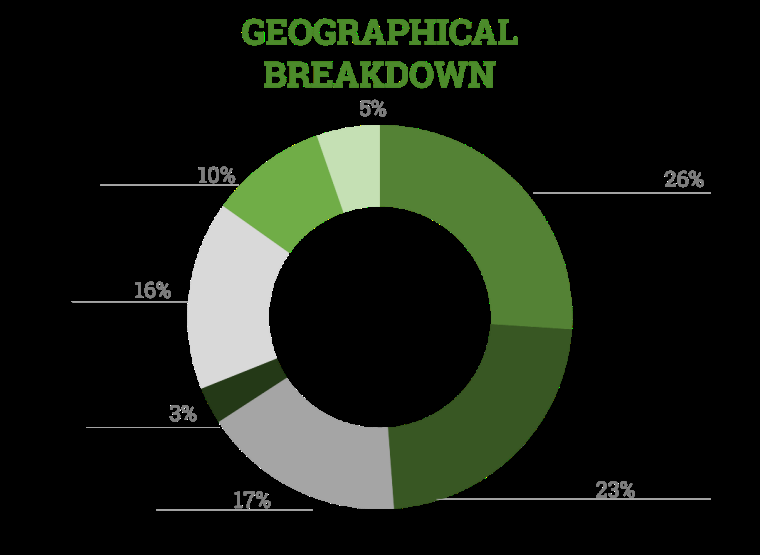
- Quantified Currency Impact: USD depreciation against the euro caused a 1.4% quarterly loss; depreciation of other major currencies (Korean won, Swiss franc, British pound) led to a 0.6% loss. Total currency losses reached 2.0%, almost entirely offsetting the fund’s -2.24% negative return (benchmark MSCI World Net EUR was -2.45%). This highlights currency risk as a core challenge for international funds.
- Hedging Strategy: Since the end of May, the fund has hedged most of its USD exposure. While this reduces subsequent currency volatility risk, it may miss out on USD rebound gains (if the USD strengthens in subsequent quarters).
- Portfolio Overlap: The fund shares core holdings with Cobas Selección and Cobas Iberia (e.g., Teekay Corporation, Easyjet), but its global perspective makes it more susceptible to cross-border market fluctuations. For example, Teekay Corporation’s negative contribution appeared across all three funds, but Grandes Compañías was more significantly affected due to its larger global exposure.
3. Cobas Renta F.I. Fixed Income Challenges and Equity Supplement Strategy
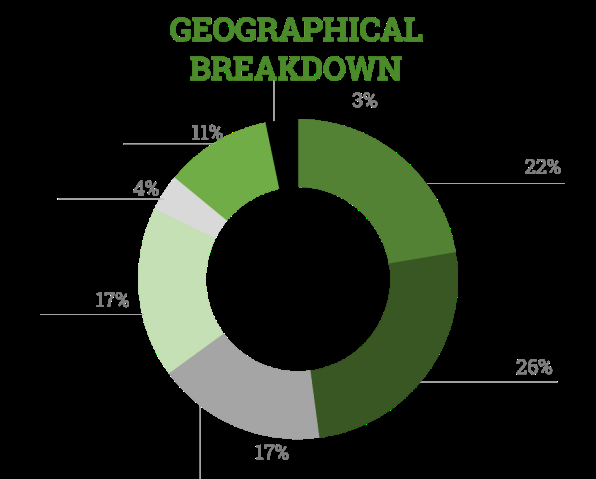
- Negative Rate Environment Challenges: The fund’s quarterly return was -0.59%, with NAV falling to €99.41. In the context of extreme central bank currency manipulation (e.g., ECB negative rates), fixed income investors struggle to achieve positive real returns. Cobas Renta addresses this through low management fees (0.25%) and equity supplements (up to 15% of assets), but the volatility of the equity portion (e.g., core holdings of Cobas Selección) may exacerbate short-term NAV fluctuations.
- Long-Term Inflation Hedge Logic: The fund combines short-term fixed income with equity investments, aiming to compensate for inflation and management fees over the long term, at least preserving investors’ short-term purchasing power. However, this strategy relies on long-term equity market performance; if markets decline (e.g., 2022 bear market), the goal may not be achieved.
4. In-Depth Interpretation of Risk Disclaimers and Legal Compliance
- Disclaimer Substance: The document explicitly states that it does not constitute investment advice and that past performance does not guarantee future results. This complies with EU MiFID II regulations, but investors should note that optimistic forecasts like Cobas’ “70% potential upside” may be based on specific assumptions (e.g., P/E mean reversion), and actual realization depends on market conditions.
- Geographic Restrictions: The document prohibits distribution to US citizens or residents, as Cobas is not registered in the US. This limits international investor participation but reduces cross-border regulatory risks.
5. Comparative Data: Quarterly Performance and Key Metrics of Each Fund
| Fund Name | Quarterly Return | Benchmark Return | AUM (€ million) | Number of Holders | Potential Upside | P/E Ratio | ROCE |
|---|---|---|---|---|---|---|---|
| Cobas Selección | Not specified | Not specified | Not specified | Not specified | >70% | 8.6x | 29% |
| Cobas Iberia | +9.32% | +3.83% | 37.2 | 1,142 | 35% | 11.1x | 21% |
| Cobas Grandes Compañías | -2.24% | -2.45% | 14.2 | 499 | >65% | 8.6x | 29% |
| Cobas Renta | -0.59% | Not specified | Not specified | Not specified | Not specified | Not specified | Not specified |
Key Findings:
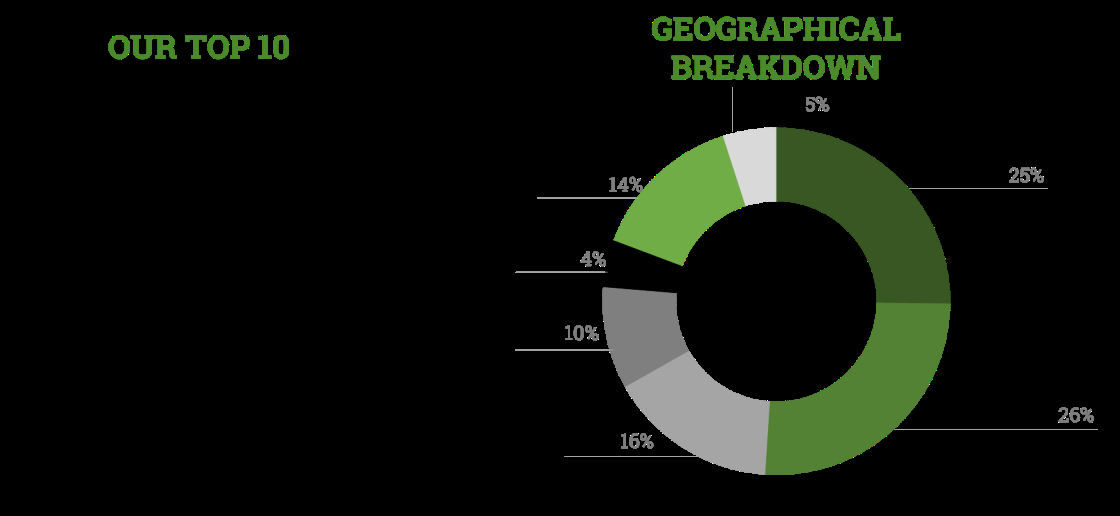
- Cobas Iberia’s excess return (+5.49%) is significantly higher than other funds, but its potential upside (35%) is far below Selección and Grandes Compañías (>65%), reflecting that its current valuation has already partially materialized.
- Cobas Renta’s negative return (-0.59%) is normal for a fixed income fund, but the equity supplement strategy may expose it to greater risk during rising interest rates (e.g., 2023 US Treasury yield surge).
6. Implied Logic of Sectors and Individual Stocks
- Telefónica and Oil Stocks: The fund increased exposure to Telefónica and oil companies (e.g., Repsol?), believing their prices are attractive. However, Telefónica faces competitive pressures in the European telecom sector and debt burdens, while oil stocks face long-term risks from the energy transition. This operation may be based on value investing logic, but structural downside risks in these sectors should be noted.
- Impresa’s Extreme Gain: Portuguese media company Impresa rose 139% in Q2, and the fund chose to reduce its position. This reflects a “sell high” strategy, but if Impresa continues to rise (e.g., driven by advertising revenue recovery), the fund may miss out on gains.
7. Future Outlook and Risks
- Sustainability of Cobas Iberia: The fund acknowledges that “the excellent quarterly performance is not repeatable,” implying future returns may revert to the mean. The current potential upside of 35% is already below Selección’s 70%, warranting attention to whether Iberian market valuations are too high.
- Currency and Geopolitics: If the USD depreciation trend reverses (e.g., Fed rate hikes), it could benefit Grandes Compañías’ USD exposure, but hedging costs must be considered. Additionally, European energy crises (e.g., 2022 Russia-Ukraine conflict) could impact oil stock holdings.
Summary: The supplementary content reveals details of Cobas funds’ operational strategies, risk exposures, and performance divergences. Cobas Iberia’s construction pace and excess returns are noteworthy, but Grandes Compañías’ currency losses and Renta’s negative rate challenges highlight the complexities of international investment and fixed income management. Investors should carefully assess the long-term sustainability of these funds based on their own risk preferences.