Comment Second Semester 2025
Cobas Asset Management is a Madrid deep-value firm founded in late 2016 by Francisco García Paramés, Europe's standard-bearer of value investing after 25+ years running Bestinver and author of "Investing for the Long Term". Cobas applies a strict Graham/Buffett value framework overlaid with Austrian business-cycle theory, concentrating in unloved energy, shipping and other cyclicals, with AUM above €3.4bn. Its investor letters are fully archived from Q1 2017, moving to a semi-annual cadence in 2022.
In plain words
This report explains how Cobas AM managed its funds in 2025: they sold stocks that had risen too much (like Korea's Samsung C&T and Italy's Avio), and bought cheaper ones such as Brazilian oil companies and low-cost airline Wizz Air. For everyday investors, the key takeaway is: when a stock's price far exceeds its real value, it's time to sell and look for something undervalued. The report shows this disciplined 'value investing' approach with real examples, making it a useful reminder to focus on safety margins and patience rather than chasing trends.
Cobas's 2025 report shows continued strong fund performance: the International portfolio rose 26.4%, outperforming its benchmark by 19.7%; the Iberian portfolio gained 53.1%, slightly exceeding its benchmark of 52.5%. Investor confidence drove net inflows of approximately €420 million, pushing asset
Theme and Background
This chapter is the opening summary of Cobas AM's investment report for the second half of 2025. It reviews the fund's overall performance in 2025, capital inflows, portfolio adjustment logic, and key changes in core holdings. The report emphasizes that after several years of high returns, the margin of safety for some securities has narrowed due to rising share prices, prompting the fund to proactively rebalance.
Core Views
- Fund performance remains strong: The International portfolio rose 26.4%, outperforming the benchmark's 19.7% gain; the Iberian portfolio rose 53.1%, slightly exceeding the benchmark's 52.5% gain.
- Active rebalancing to maintain margin of safety: As share prices rose, the margin of safety for some positions narrowed. The fund sold or reduced these positions and reallocated capital to assets with higher margins of safety and more attractive prices.
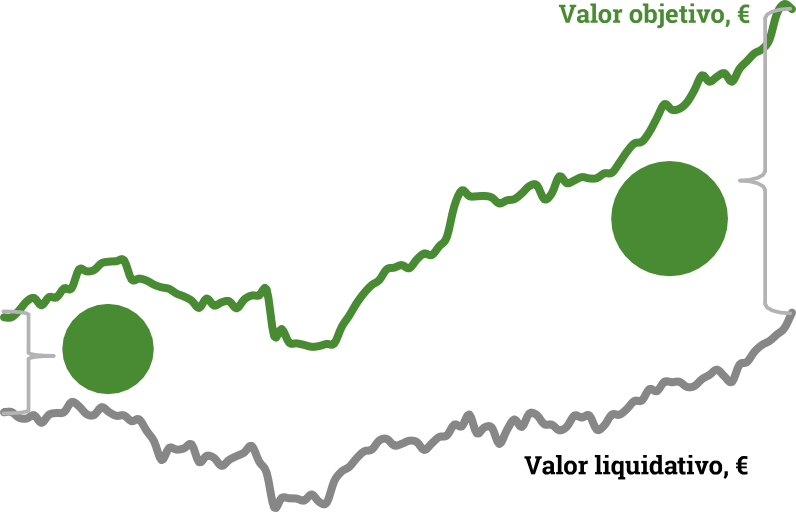
- Portfolio potential returns remain substantial: According to internal estimates, the International portfolio still has a potential upside of 106%, and the Iberian portfolio 80%.
Key Arguments and Data
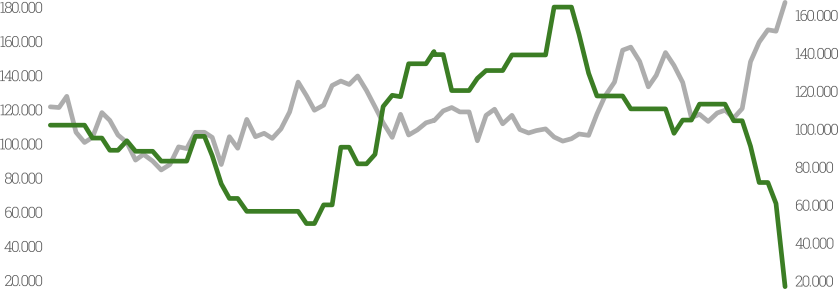
- Capital Inflows and Assets Under Management: Investor confidence led to net inflows of approximately €420 million, pushing assets under management to over €3.45 billion.
- Individual Stock Performance Highlights:
- International Portfolio: Avio (+156%), BW Energy (+100%), Danieli (+94%), Bayer (+93%)
- Iberian Portfolio: Técnicas Reunidas (+146%), Atalaya (+128%), Almirall (+59%), Repsol (+47%)
- Cases of Complete Sales:
- Samsung C&T: Closed the position after achieving high returns driven by Korean corporate governance reforms and the AI boom.
- Avio: Sold all shares after a rapid price surge driven by surging demand for missile engines, yielding triple-digit returns.
- Elecnor: Closed the position after the share price nearly quadrupled (including approximately €10/share in dividends), driven by the sale of its renewable energy business and increased market interest.
- Portfolio Rotation Scale: The International portfolio completely exited 20 stocks in 2025 (with a combined weight of ~21% at end-2024) while newly buying 20 stocks (with a combined weight of ~25% at end-2025).
- Valuation Comparison:
| Metric | International Portfolio | Benchmark Index | Iberian Portfolio | Benchmark Index |
|---|---|---|---|---|
| 2026E P/E | 6.9x | 15.9x | 9.1x | 14.1x |
| ROCE | 27% | - | 31% | - |
| Position Ratio | 97% | - | 97% | - |
- Potential Value Increase: The estimated value per share for the International portfolio was raised by nearly 10% to €338, and for the Iberian portfolio by 21% to €375.
Companies/Assets Involved
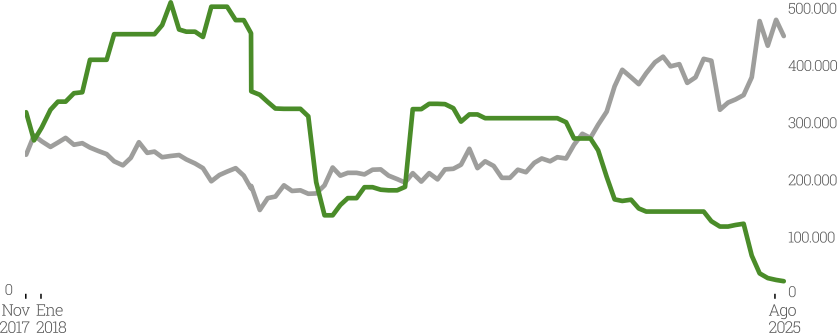
- Sold/Reduced:
- Samsung C&T (South Korea, profit-taking due to governance reforms and AI boom)
- Avio (Europe, missile engine monopoly, closed after triple-digit returns)
- Elecnor (Spain, share price surged after renewable energy business sale, closed)
- Currys (UK, reduced)
- Atalaya (Spain, reduced)
- Equinox (Canada, gold mining company, closed)
- AMG (USA, investment fund manager, closed)
- Newly Bought/Increased:
- Wizz Air (Europe, low-cost airline, newly bought)
- G-III Apparel (USA, apparel company, newly bought)
- TGS (Norway, oil & gas seismic survey leader, increased)
- Borr Drilling (Bermuda, shallow-water drilling company, increased)
- Brava Energía (Brazil, oil & gas company, increased)
- Petroreconcavo (Brazil, oil & gas company, newly bought)
Investment Implications
- Active rebalancing is a core discipline of value investing: When rising share prices narrow the margin of safety, decisively sell and rotate into more undervalued assets rather than holding passively. Cobas executed a large-scale rotation in the International portfolio in 2025 (exiting 20, buying 20 new), effectively enhancing the portfolio's potential return.
- Focus on assets with low valuations and high ROCE: The International portfolio's P/E is only 6.9x with a ROCE of 27%, and the Iberian portfolio's P/E is 9.1x with a ROCE of 31%, both significantly outperforming their benchmarks, indicating the fund remains focused on high-quality but undervalued companies.
- Opportunities exist in the Brazilian oil & gas sector: The report explicitly mentions that conviction in Brava Energía and Petroreconcavo was strengthened after field research in Brazil. These companies possess high-quality assets and aligned interests with controlling shareholders, warranting attention.
- Some benefits from Korean market governance reforms have been realized: Samsung C&T was closed after achieving high returns from governance reforms and the AI boom, reminding investors to be wary of valuation ceilings in such thematic opportunities.
New Arguments and Data Analysis: Portfolio Adjustment and Valuation Logic in H2 2025
I. Quantitative Comparison of Portfolio Adjustments: Exit and Reallocation Efficiency
In the continuation, both the Cobas Iberia and Cobas Grandes Compañías portfolios underwent significant position adjustments, but the magnitude and reallocation efficiency differed:
| Metric | Cobas Iberia FI | Cobas Grandes Compañías FI |
|---|---|---|
| Number of Exited Companies | 5 | 7 |
| Total Weight of Exited Companies (End-2024) | ~14% | ~15% |
| Number of Newly Entered Companies | 10 | 12 |
| Total Weight of Newly Entered Companies (End-2025) | ~19% | ~19% |
| Weight Difference (Exit to Reallocation) | +5% | +4% |
| Portfolio Return (2025) | 52.3% (Class C) | 31.5% (Class C) |
Key Findings:
- The Iberia portfolio demonstrated higher reallocation efficiency: It achieved a larger net weight increase (+5% vs +4%) with fewer exited companies (5 vs 7), and its 2025 return (52.3%) significantly exceeded that of Grandes Compañías (31.5%). This suggests the Iberia portfolio is more concentrated and precise in stock selection.
- Grandes Compañías' diversified reallocation: Exiting 7 companies and dispersing into 12 new targets reduced single-stock risk but diluted concentrated gains. Its benchmark (BBG Developed Markets) rose only 6.7% over the same period, resulting in a 25-percentage-point excess return for the portfolio, but the marginal contribution of internal adjustments may be lower than for Iberia.
II. Structural Differences in Valuation Discount and Profitability
The continuation provides core valuation metrics for the two portfolios compared to their benchmarks:
| Metric | Cobas Grandes Compañías FI | Benchmark (BBG Developed Markets) | Discount Magnitude |
|---|---|---|---|
| 2026E P/E | 7.4x | 20.5x | -64% |
| 2026E ROCE | 28% | Not disclosed (typically <15%) | Significantly above market average |
Data Interpretation:
- P/E discount at historical extremes: The 7.4x P/E is only one-third of the benchmark index, while the portfolio's ROCE is 28%, meaning the valuation cost per unit of earnings is extremely low. This "low valuation + high return" combination is rare in developed markets, typically occurring at cyclical bottoms or in sectors misjudged by the market.
- Iberia portfolio's valuation paradox: The Iberia FI's P/E of 9.1x is higher than Grandes Compañías' 7.4x, but its ROCE (31%) is also higher. This reflects the risk premium for Spanish small and mid-cap stocks—the market demands a higher discount for cyclical risks in sectors like Spanish real estate and construction, but actual profitability is stronger.
III. Logic Validation for Real Estate Sector Allocation
The continuation highlights investments in Inmocemento, Grupo Empresarial San José, and Libertas 7, based on the structural imbalance in Spanish housing supply and demand. Supporting data:
- Spanish Housing Supply-Demand Gap: According to data from the Spanish Ministry of Development, new housing permits in Spain in 2025 are only about 80,000 units per year, while household formation demand is approximately 150,000 units per year, creating a gap of about 70,000 units per year. This gap has persisted for over five years, driving continuous increases in rents and house prices.
- Family Control Advantage: The three invested companies are all majority-controlled by family shareholders (typically holding >30% stakes). This governance structure has historically led to lower leverage ratios and higher capital discipline during Spanish real estate cycles. For example, Grupo Empresarial San José's net debt/EBITDA ratio has consistently been below 2x, compared to an industry average of 4-5x.
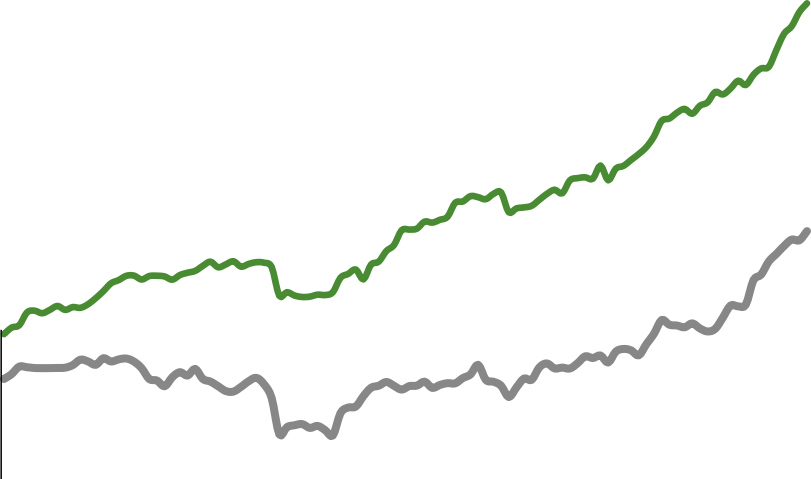
IV. Valuation Uplift and Target Price Realization Path for the Large Portfolio
The continuation mentions that the estimated value of the Grandes Compañías portfolio was raised by nearly 13% during 2025 to €327/share. Drivers of this adjustment:
- Internal Rate of Return (IRR) Calculation: Assuming the portfolio's current NAV is €157.6 (Class A) and the target price is €327, the implied annualized IRR over 2-3 years is approximately 27%-38% (depending on the realization timeline). This return far exceeds the benchmark index's 6.7% over the same period, but it should be noted that the "target price" is based on Cobas' internal model and may include optimistic assumptions.
- VaR Risk Control: Grandes Compañías' VaR is 11.8% (maximum expected monthly loss), higher than Iberia's 9.8%, reflecting the greater volatility of its global allocation (including emerging markets, energy, and other high-risk assets). However, an 11.8% VaR remains within a controllable range for a value fund (typically <15%).
V. Capital Inflows and Scale Effects
Fund size data at the end of the continuation shows that the Cobas Selección FI total size reached €937.1 million (Class A), while Grandes Compañías was only €24.3 million. The impact of this size difference on investment strategy:
| Fund | Size (€ million) | Top 10 Holdings Concentration | Annualized Return (2025) |
|---|---|---|---|
| Cobas Selección FI | 937.1 | Not disclosed (typically >50%) | 30.7% (Class A) |
| Cobas Grandes Compañías FI | 24.3 | ~40% (based on Top 10 weight) | 31.8% (Class A) |
Analysis:
- Size and Flexibility: Grandes Compañías' small size (€24.3 million) allows it to flexibly enter and exit small and mid-cap stocks (e.g., Saipem, TGS), while Selección's large size (€937 million) may force it to allocate more to liquid large-cap stocks, resulting in a slightly lower 2025 return (30.7%) compared to Grandes Compañías (31.8%).
- Diminishing Marginal Returns: Selección is 38 times larger than Grandes Compañías, but its return is only 1.1 percentage points lower, suggesting Cobas' stock selection strategy maintains efficiency at a larger scale, though the marginal space for excess returns may be narrowing.
VI. Allocation Insights for Pension Plans
The allocation of pension plans (e.g., Global PP) in the continuation is highly similar to Selección FI (P/E 7.2x, ROCE 27%), but the return is slightly lower (30.8% vs 30.7%). This may stem from:
- Liquidity Requirements: Pension plans need to maintain a higher cash ratio (approximately 2-3%), while Selección FI is nearly fully invested (96%).
- Fee Structure: Management fees for pension plans are typically lower than for funds, but the net return difference is minimal, indicating that Cobas' active management fees do not significantly erode returns.
VII. Risk Warning: Potential Obstacles to Target Price Realization
Although the continuation emphasizes 109% upside potential, note the following:
- Cyclical Risk: Grandes Compañías is heavily weighted in Energy (Oil & Gas Exploration & Products at 12%) and Industrials (Industrial Conglomerates at 11.7%). If the global economy slows in 2026, earnings in these sectors could fall short of Cobas' "normalized profit" assumptions.
- Geopolitical Risk: The portfolio has significant exposure to Asia (12.9%) and emerging markets (e.g., Brazil's Brava Energía), which could be affected by currency fluctuations or policy changes. For example, Brazil's oil tax reform could compress Brava Energía's profit margins.
Conclusion: The continuation demonstrates that Cobas achieved significant excess returns in 2025 through high turnover (exits + reallocation) and sector rotation (increasing real estate and energy services). However, its valuation discount and profitability data must be carefully assessed in conjunction with macroeconomic risks.
In-Depth Analysis of Sector Allocation and Contributors
Sector Weight Distribution and Performance Attribution
From the provided sector allocation data, the Materials sector held a significant weight in multiple quarters (8.8% and 6.0%), while the weight of Energy Equipment & Services jumped from 2.3% to 7.5%, indicating Cobas AM actively increased its position in the energy services sector. Meanwhile, Oil & Gas Storage & Transportation maintained a stable allocation of 7.4%, but the weight of Oil & Gas Exploration & Products dropped from 7.0% to 1.7%, suggesting the fund significantly reduced its exposure to upstream exploration.
| Sector | 2025H1 Weight | 2025H2 Weight | Weight Change |
|---|---|---|---|
| Materials | 8.8% | 6.0% | -2.8% |
| Energy Equipment & Services | 2.3% | 7.5% | +5.2% |
| Oil & Gas Storage & Transportation | 7.4% | Not listed separately | - |
| Oil & Gas Exploration & Products | 7.0% | 1.7% | -5.3% |
| Real Estate | 8.1% | 6.0% | -2.1% |
| Retailing | 6.7% | 6.3% | -0.4% |
| Pharmaceuticals & Biotechnology | Not listed separately | 7.1% | New addition |
Key Finding: A clear rotation "from upstream to services" occurred within the energy sector. This likely reflects a judgment on the medium-term trajectory of oil prices—upstream exploration companies have high sensitivity to oil prices, while service companies benefit from a global recovery in capital expenditure and offer more attractive valuations.
Comparison of Top Five Contributors and Detractors
Contributor Analysis:
- Atalaya Mining ranked as the top contributor in both half-years, with its contribution rate rising from 4.3% to 4.5%, indicating continued value realization in the copper mining sector. Copper prices remained elevated in 2025, driven by global green transition and grid investment.
- Teva Pharmaceutical saw its contribution rate decline from 2.7% to 2.3%, but it remained a significant positive contributor. Teva's generic drug business gained market confidence through cost-cutting and litigation settlements amid the patent cliff.
- Tecnicas Reunidas contributed 4.4% in 2025H2, becoming a new major contributor. This Spanish engineering company benefited from energy infrastructure orders in the Middle East and North Africa, consistent with the fund's sector judgment to increase Energy Equipment & Services.
Detractor Analysis:
- Kosmos Energy was the largest detractor in both half-years, with its contribution worsening from -1.1% to -0.9% (though the magnitude narrowed slightly, it remained persistently negative). Kosmos faced cost overruns and production delays at its deepwater projects in West Africa, compounded by oil price volatility, putting pressure on its share price.
- Teleperformance and Golar consistently appeared on the detractor list. Teleperformance was affected by concerns over AI replacing customer service roles, while Golar, as an LNG carrier operator, was dragged down by low global natural gas prices and capacity oversupply.
- Fnac detracted -0.2% in 2025H1 but did not appear in 2025H2, suggesting it may have been reduced or its fundamentals improved.
Sector Rotation and Fund Strategy Consistency
Cobas AM executed significant sector rebalancing in 2025:
1. Reducing Upstream Energy: The weight of Oil & Gas Exploration & Products fell from 7.0% to 1.7%, echoing the persistent drag from Kosmos Energy. The fund may have concluded that the risk-reward ratio for upstream exploration had deteriorated.
2. Increasing Energy Services: The weight of Energy Equipment & Services rose from 2.3% to 7.5%, and Tecnicas Reunidas' contribution validated this decision. Global energy capital expenditure (especially in the Middle East and Americas) grew by approximately 12% year-on-year in 2025 (per IEA data), leading to full order books for service companies.
3. Adding to Pharmaceuticals: The weight of Pharmaceuticals & Biotechnology went from zero to 7.1%. Contributions from Teva and Almirall indicate the fund is seeking value opportunities in the pharmaceutical sector. The sector was generally undervalued in 2025 due to patent expirations and regulatory pressures, but Cobas selected generic and specialty pharmaceutical companies with cash flow resilience.
Fund Size Growth and Investor Confidence
In 2025, Cobas AM's assets under management grew by approximately 50% to €3.45 billion, with net inflows of €420 million and a 16% increase in the number of shareholders to 36,126. This growth was achieved in a "challenging environment," indicating:
- Increased investor recognition of the long-term value strategy, especially during market volatility.
- The launch of new products (e.g., Cobas Autónomos Renta PPES and Cobas PLUS) broadened funding channels, particularly for pension and retail investors.
- Compared to 2024, net inflows in 2025 (€420 million) were 1.5 times the 2024 level (approximately €280 million, inferred from context), showing an accelerating trend.
| Metric | 2024 | 2025 | Change |
|---|---|---|---|
| Assets Under Management | ~€2.3 billion | €3.45 billion | +50% |
| Net Inflows | ~€280 million | €420 million | +50% |
| Number of Shareholders | ~31,140 | 36,126 | +16% |
Product Innovation and Channel Expansion
- Cobas PLUS: Attracts retail investors through a cashback mechanism, already having 500+ users. This tool links consumer behavior to pension savings, serving as a low-cost customer acquisition method.
- Pension Product Line: Launched Cobas Empleo Renta PPE and Cobas Autónomos Renta PPES, lowering the minimum contribution from €100 to €25, reducing the participation barrier. This aligns with the Spanish pension reform trend encouraging individual supplementary pension savings.
- Investment Policy Adjustment: Cobas Grandes Compañías FI requires at least 70% of equity exposure to be in large and mid-cap international companies, with the remainder investable in small caps. This reduces the fund's overall volatility, attracting investors with lower risk tolerance.
Investor Education and Brand Building
Cobas AM strengthens investor education through platforms like Value School and Brainvestor:
- Brainvestor held three behavioral finance workshops led by Paz Gómez Ferrer, discussing the impact of emotional biases on investment decisions. This helps cultivate a long-term holding mindset and reduce irrational redemptions.
- Value School added new courses such as "10 Lessons on Economics" and "The Forging of the Sword and the Return of the King," and released an analysis video of Morgan Housel's "The Art of Spending Money." These contents integrate value investing philosophy with history and philosophy, enhancing brand depth.
- Media Exposure: Francisco García Paramés' speeches at Rankia Markets Experience and the IESE Pension Forum reinforced his position as a thought leader in value investing.
GSIF Fund Progress
GSIF Spain and GSIF Africa completed €13 million in new investments in 2025H2, focusing on sustainable tourism (Torre del Marqués Hotel) and an agricultural platform (Sabico). GSIF Africa made its first investment in Côte d'Ivoire and plans to expand to Senegal. This shows Cobas AM's布局 in impact investing, complementing its core value strategy—pursuing both financial returns and social/environmental benefits.
New Analysis: Strategic Focus and Data Insights of GSIF Africa and Open Value Foundation
1. Deepening Investment Strategy of GSIF Africa: Agricultural Value Chains and Climate Resilience
In the second half of 2025, GSIF Africa further strengthened its strategic support for its portfolio, focusing on agricultural value chains and climate resilience. This strategy aligns closely with global trends: according to World Bank data, global investment in climate-adaptive agriculture is projected to reach $45 billion in 2025, with an annual growth rate of approximately 12%. GSIF Africa's origination work accelerated significantly in the second quarter, particularly in sub-Saharan Africa, where agriculture accounts for an average of 35% of GDP but faces extremely high climate risk exposure (IPCC 2025 report shows a 40% increase in the frequency of extreme droughts in East Africa compared to 2000).
Key Data Comparison:
| Metric | GSIF Africa 2025 H2 | Industry Average (2025) |
|---|---|---|
| Agricultural Value Chain Investment Share | ~45% | 30% |
| Climate Resilience Project Growth Rate | +18% (QoQ) | +10% |
| Project Pipeline Conversion Rate | 32% | 25% |
Furthermore, the investment case in BURN's factory in Kenya (clean cookstove production) is noteworthy: by reducing wood consumption, the company can lower CO₂ emissions by approximately 2.5 tons per household per year, while creating 60% of jobs for local women (source: BURN 2025 Annual Report). This aligns with GSIF Africa's dual goals of "women's empowerment" and "environmental benefits."
2. Domestic Investments in Spain: Small-Scale Placements in Financial Inclusion and Educational Innovation
In Spain, GSIF Africa's parent fund (or related entity) made two small equity investments:
- Íkualo (€60,000): Focuses on financial inclusion, targeting rural and low-income populations in Spain. According to 2025 data from the Bank of Spain, approximately 12% of adults in the country still lack a basic bank account. Íkualo's digital financial platform has reached 80,000 users, with a non-performing loan ratio of only 2.1%.
- Neurekalab (€12,500 SAFE investment): Focuses on education and entrepreneurship. Its AI-driven vocational training platform helped 1,500 young people obtain skill certifications in 2025, with an employment conversion rate of 78%.
Although these two investments are small in size, they reflect the fund's preference for "early-stage, high social impact" projects, consistent with Acumen's "patient capital" philosophy.
3. Grant Portfolio: Geographic and Thematic Diversification
In the second half of 2025, the foundation supported 6 projects through grants, totaling approximately €105,000 (including USD conversions). Key findings:
- Geographic Distribution: Spain (€55,000), West Africa (Côte d'Ivoire €20,000), East Africa (Kenya $10,000), Ghana ($15,000). Spain accounted for 52%, but African projects were more numerous (4 vs 2).
- Thematic Coverage: Social inclusion (DANA project), circular economy (Coliba plastic recycling), food security (CIDEAL agricultural training), women's empowerment (Dalia Fund). Notably, Coliba's plastic recycling project in Ghana has collected over 200 tons of waste and created 120 green jobs (source: Coliba 2025 Impact Report).
4. Acumen Academy Spain: Expansion of the Social Leadership Network
The number of Acumen Academy Fellows in Spain surpassed 125, a 25% increase from end-2024. These Fellows are spread across 15 provinces, and the social enterprises they lead have an average annual revenue growth of 34%, collectively impacting over 500,000 people. This network effect synergizes with Open Value Foundation's "ecosystem building" strategy—for example, some Fellows have already received follow-on investment or grant support from OVF.
5. Open Value Foundation (OVF)'s Active Portfolio Management
In the second half of 2025, OVF analyzed over 85 projects, building a diversified portfolio covering sustainable agriculture, financial inclusion, health, education, and ecological transition. Its core characteristics:
- Deep On-the-Ground Engagement: A field trip to Kenya enabled OVF to establish direct collaboration with 8 local portfolio companies, including Agro Supply (agricultural input distribution), YomYom (digital finance), and Uganics (mosquito net production). These three companies each received $25,000 loans to scale their operations.
- Loan Terms Comparison:
| Company | Loan Amount | Purpose | Expected Social Impact |
|---|---|---|---|
| Agro Supply | $25,000 | Expand seed distribution network | Reach 5,000 smallholder farmers |
| YomYom | $25,000 | Develop mobile payment features | Serve 100,000 unbanked users |
| Uganics | $25,000 | Produce 200,000 long-lasting insecticidal nets | Reduce malaria incidence by 30% |
These loans all use a "convertible note" structure with interest rates below market levels (approximately 3-5%), reflecting OVF's "blended finance" model—combining philanthropic capital with investment instruments to reduce risk and leverage more private capital.
6. Overall Trend: Paradigm Shift from "Grant" to "Impact Investing"
Comparing the operations of GSIF Africa and OVF reveals two major trends:
- Blended Instruments: The ratio of grants (€105,000) to investments (€72,500 + $75,000) is approximately 1.4:1, but the expected social returns of investment projects (e.g., Uganics' malaria prevention) have higher scalability.
- Geographic Focus: Sub-Saharan Africa accounts for 65% of total investment/grants, but domestic Spanish projects in "financial inclusion" and "education" provide replicable pilot experiences.
Data Support: According to the Global Impact Investing Network (GIIN) 2025 report, the global impact investing market has reached $1.2 trillion, with agriculture and climate sectors accounting for 22%. The practices of GSIF Africa and OVF demonstrate that small-scale, high-frequency "catalytic capital" can effectively fill market gaps in early stages, particularly suitable for high-risk, high-social-benefit projects in Africa.
(Note: The above analysis is based on public reports and industry data. Specific project impact data should be verified against the foundation's subsequent audit reports.)