Bayou Jubilee (Jun 2026)
In plain words
Kopernik's latest letter describes Wall Street's mood as a party, arguing that some form of debt jubilee (widespread debt forgiveness) may be unavoidable. The firm is cautious and sees a split: long-term bonds and U.S. stock indexes look unattractive at record valuations, with speculation widespread, while beaten-down value stocks and resources are forming bargains. In the recent pullback it added to Royal Gold (28% below recent historical levels) and platinum miners Impala and Sibanye (about 50% below recent highs).
Kopernik's report opens with the song "Bayou Jubilee" as a prelude, discussing the current market and the "debt jubilee" theme. The report notes that despite high inflation, rising interest rates, massive debt, staggering budget deficits, and frequent geopolitical conflicts, Wall Street is still par
How the Manager Views the Market
Stance: [Cautious]. This chapter is an introduction; it does not address performance or holdings. Kopernik uses the "party" imagery of the song "Bayou Jubilee" to compare Wall Street's "carnival" in the face of inflation, interest rates, debt, deficits, geopolitical conflict, and declining institutional trust to a ball, and introduces this issue's theme: a debt jubilee (large-scale debt relief/cancellation) may be an unavoidable outcome. The author explicitly states that the stock market is not the topic of discussion and takes no bullish or bearish stance on it.
Kopernik's market judgments and key figures in the introduction are as follows:
| Indicator | Data/Judgment Provided by the Author |
|---|---|
| Buffett indicator (total market cap/GDP) | All-time high, nearly four times its level of twenty years ago |
| Market valuation | Market cap relative to book value, revenue, replacement value, and CAPE all at record highs |
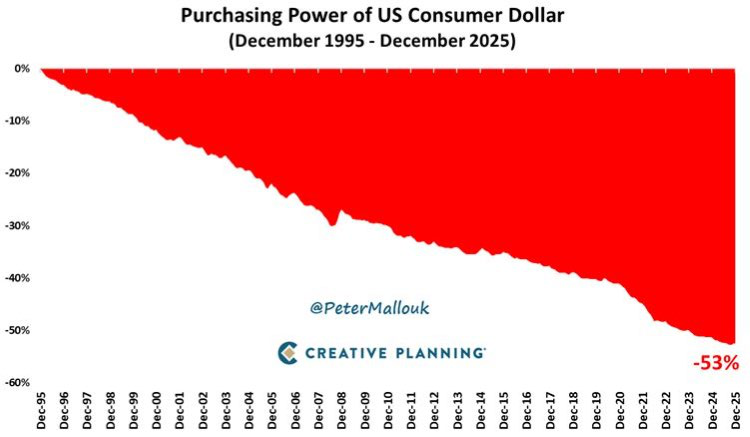
| Dollar purchasing power | Down more than half over the past 30 years |
| Dollar vs. gold | Depreciated more than 99.5% over the past century |
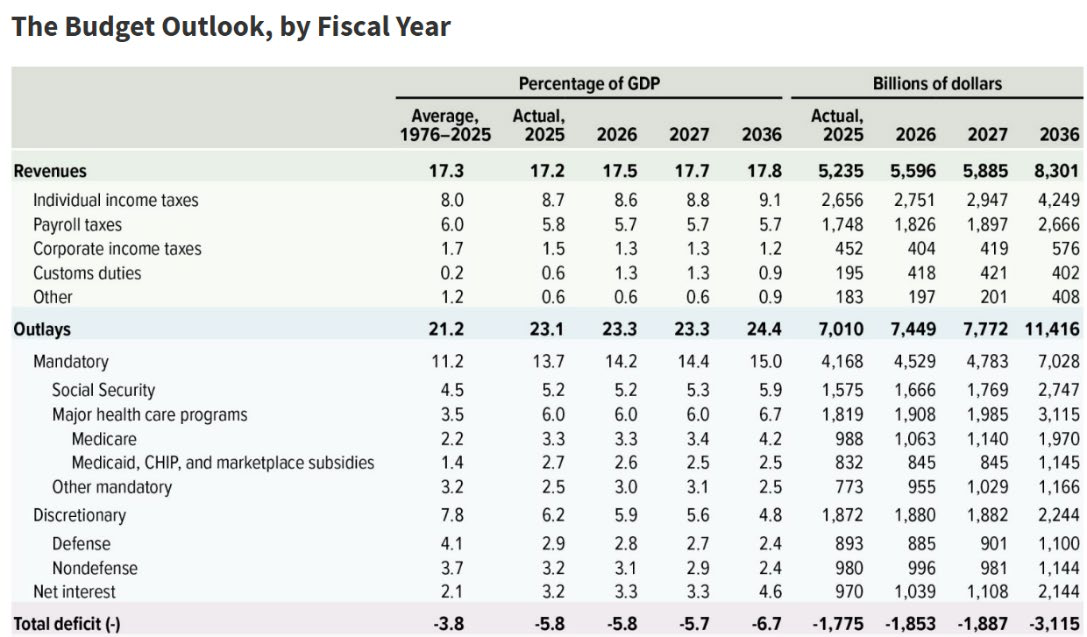
| Fiscal deficit | The government seems able to bear roughly $2 trillion in annual deficits |
| 30-year Treasury yield | Rose sharply after 2021; the accompanying chart's vertical axis spans roughly 1.5%–5.5% |
| History of debt jubilees | At least 4,000 years, dating back to Sumer and Babylon; ancient Israel every 50 years; Solon (6th century BCE) used partial debt relief |
The main arguments are broken down as follows:
1. The market is in a state of "carnival detached from fundamentals." The author describes Wall Street's response as "Party. Fais do-do! Jubilation." and quotes Chuck Prince, former chairman and CEO of Citigroup: "When the music stops, in terms of liquidity, things will be complicated. But as long as the music is playing, you've got to get up and dance. We are still dancing." This quote is used to capture the market's mindset of continuing to revel despite knowing it is unsustainable.
2. The U.S. Treasury bull market most likely ended in 2021. 2021 was the 40th anniversary (Ruby Anniversary) of the U.S. Treasury bond; the author says the bond market has since been "a sea of red," with the 30-year Treasury yield rising markedly. This sets up the introduction of the "debt jubilee" concept: large-scale debt relief or cancellation.
3. Current debt levels cannot be repaid with equivalent economic value. The author believes the United States and most other governments have no will to restore fiscal order, and history also shows that current debt levels are unsustainable; "debt that cannot be repaid will ultimately not be repaid." Paying 2026 debt with 2026 dollars would in practice become paying with 2056 dollars of greatly diminished purchasing power, and the author finds it "inconceivable" that the purchasing power of the two would converge.
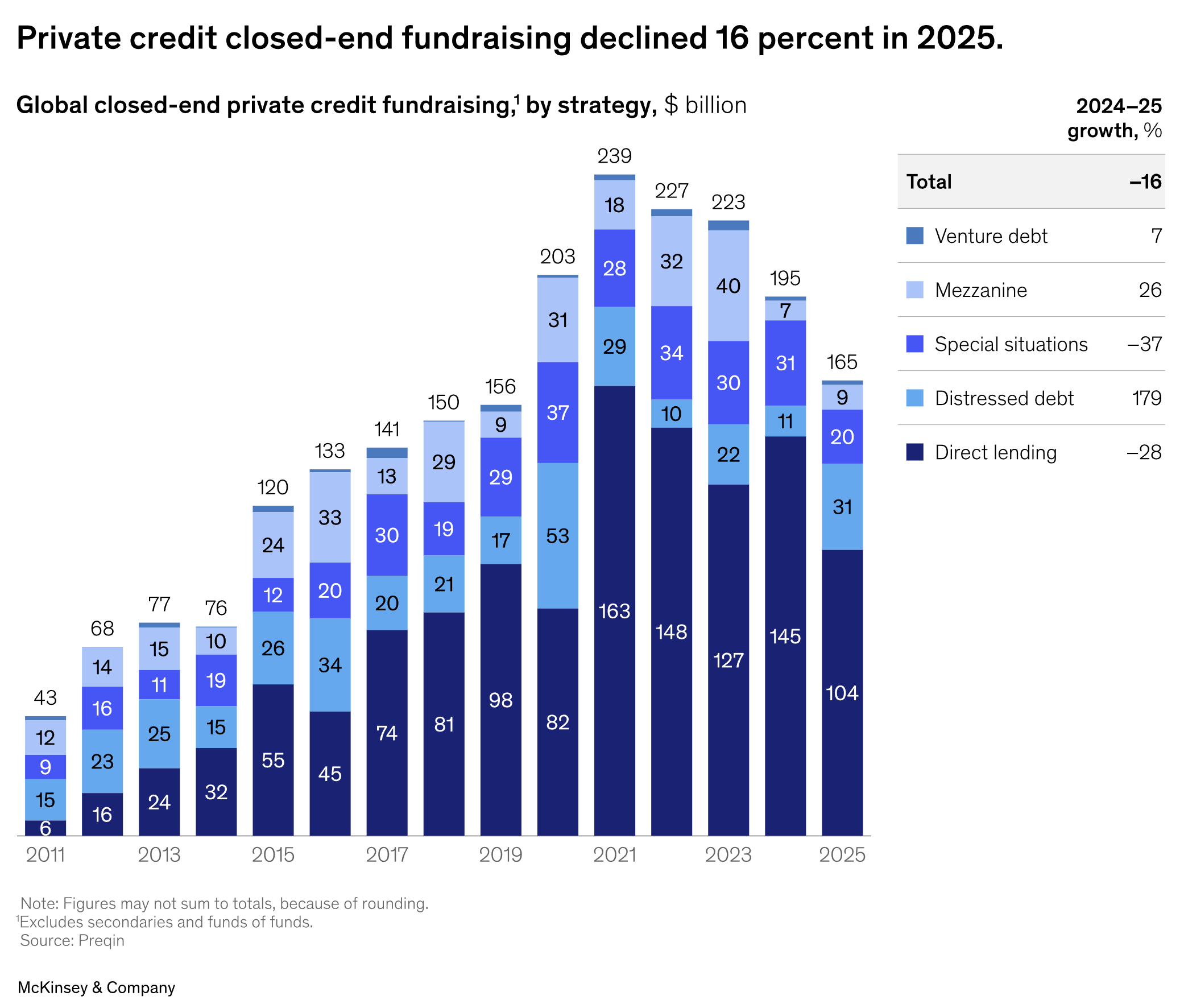
4. Debt holders face institutional and legal erosion. The author lists: mortgages have been relieved, student loans and rents have been deferred, LMEs (liability management exercises) have become common; the private credit space has recently seen increasing use of gate clauses (restricting or suspending redemptions), implying "wealth redistribution is underway." The author's admonition to debt holders is "Caveat Emptor" (buyer beware).
5. Debt jubilees have deep historical precedent and also serve as a "system reset." The author quotes Lyn Alden: ancient rulers often canceled debt for social stability rather than benevolence; it was equivalent to restarting a "social system" that had malfunctioned due to debt accumulation, otherwise the imbalance could settle itself through violent revolution. The author thus implies that the current debt carnival cannot last forever, and some form of debt reset may become the way out.
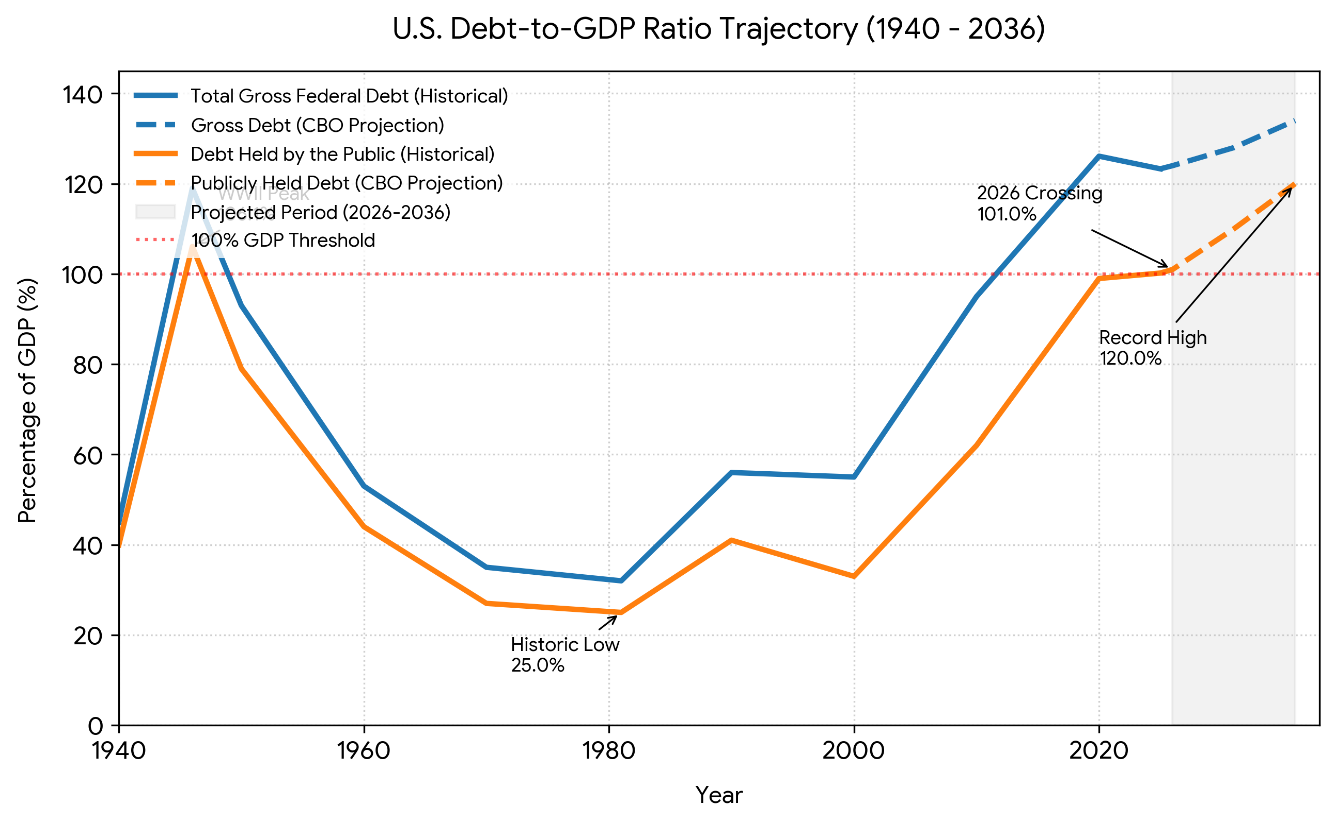
Finally, the author emphasizes that although the outlook is "not rosy, but gem-red, scarlet warning signals," he will not downplay the severity of the challenges, while also arguing that "there is still a little joy worth preserving"—a setup for subsequent chapters. This chapter does not address specific holdings, individual stock commentary, or portfolio position changes.
How the Manager Views the Market
The author continues his stance of being bearish on bonds and U.S. stock indices, and bullish on beaten-down value stocks. The overall judgment is [Cautious / Divergent]: the index level is unattractive, but opportunities abound at the individual stock level.
- Long-dated bonds are unattractive: The author believes their yields "may be below real inflation" and, even without considering a debt jubilee, they do not offer attractive returns. He looks back at the 1980s when long-term rates approached 15% and short-term rates hit 22%, yet the economic challenges then were "far smaller than today."
- U.S. equity index valuations are record-breaking and speculation is rampant: The author says the market is "at record valuations based on almost every relevant metric," citing SpaceX listing at 100x revenue and rising 23% in a single day, and trillions of dollars flowing into "price-insensitive" funds as evidence. He also quotes Jim Grant: "You'll find more value in a hotel minibar than in the S&P 500."
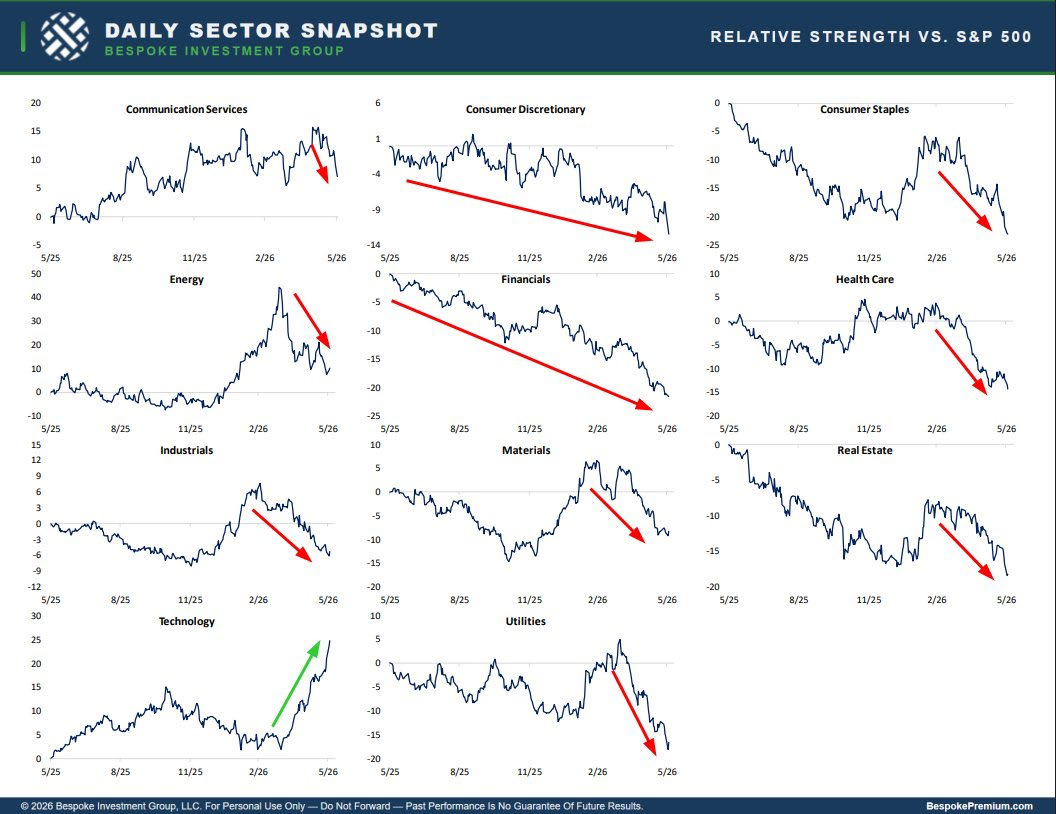
- Extreme market dispersion: Apart from technology stocks, "the market has fully entered correction/bear market territory," while cellular networks, railroads, natural gas reserves, and resource assets such as gold, silver, platinum, and uranium are all deeply discounted from prior levels. "Bargains are forming."
- Currency debasement and eroding institutional trust: The author believes the dollar and other currencies are losing value and "seem destined to continue," that the indices are full of "time bombs," that society's "safety net" is unstable, and individuals and institutions must defend purchasing power on their own. He cites a 2025 Gallup poll: 49% have "very little" trust in Congress, 48% in TV news, 43% in big business, while the military (34% "great deal" + 28% "quite a lot") and small business (32% + 38%) have the highest trust.
- Three possible outcomes for tech stocks: They may be real and keep rising from here; they may be real but eventually fall more than 75% like historical canal, railroad, telecom and broadcast, semiconductor, and internet stocks; or they may simply be overhyped. The author explicitly says "others can play the speculation game," and true investors should do due diligence and buy undervalued companies.
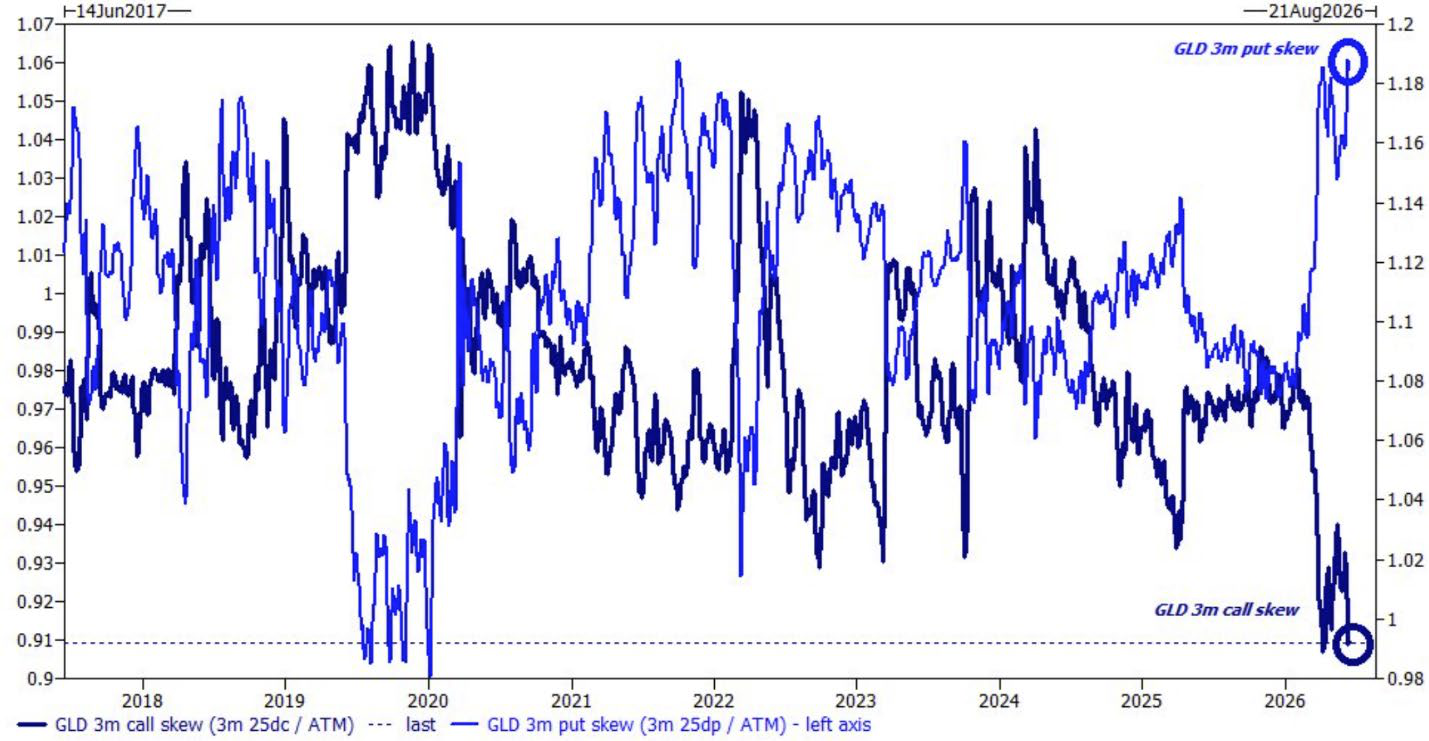
- Extreme signal from the options market: Measured by the 3-month put/call skew, "the options market has never been so bullish on chips and so bearish on gold."
- Perpetual contract speculation cases: On May 29, the CFTC approved perpetual futures contracts (no expiration, no underlying asset ownership) for U.S. retail investors; Kalshi processed $3 billion in trading volume in just over a week of beta testing; CME Group CEO Terry Duffy on June 4 called such contracts a "disaster waiting to happen" and noted that early that month some platforms had leverage as high as 50:1, and that "capital markets have been replaced by speculation markets."
Position Moves: Where to Add, Where to Trim
In the latest pullback, the author repurchased gold mining stocks sold earlier this year and added to platinum mining stocks; resource positions shrank significantly as prices fell.
| Name | Direction | Key Figures |
|---|---|---|
| Royal Gold | Add | 28% discount from its recent historical level |
| International Tower Hill | Not specified (author says "looks good") | Nearly 40% below February level |
| Novagold | Not specified (position was trimmed four months ago) | Down 45% from the price at the time of trimming |
| Valterra | Adding back | 40% discount from recent high |
| Impala | Adding back | 50% discount from recent high |
| Sibanye | Adding back | 50% discount from recent high |
- Price background: Since the end of January 2026, gold has fallen 22%; over the same period the GDX ETF is down more than 30% and GDXJ is down 35%.
- Position change clues: The author says gold mining holdings "came down substantially"; after "significant sales" of platinum miners, the position remains in the high single digits (approximately 7–9%).
- The author did not disclose net exposure, leverage, or long/short ratio figures.
Individual Stock Commentary
The author lists a batch of "valuable, essential, hard-to-replicate" assets and franchises that he believes have fallen to attractive valuation ranges.
- Resources/Mining: The author notes that uranium, natural gas, many agricultural products, and some quality stocks have pulled back significantly; among them, Ivanhoe Mines is down 55% from earlier this year.
- Railroads: The author says railroads are "an industry that is urgently needed and extremely difficult to replicate," and uses passenger numbers to show they "may be undervalued, but are clearly not worthless."
- Guangshen Rail (listed in Hong Kong): down 62% from its level about 20 years ago, below 10x P/E, price-to-book of 0.5; more than 63 million passengers in 2025 (operating only the Guangzhou–Shenzhen section).
- West Japan Rail: slightly above half of its pre-pandemic level, below 10x P/E, roughly equal to book value; 1.9 billion passengers in 2025.
- Tokyo Metro: not listed for long, but already down nearly a third from last year's level; 12x P/E, 25% premium to book value; 2.5 billion passengers in 2025.
- Telecom: The author jokes that "many people would rather give up food than mobile phone service."
- Entel (Chile's leading telecom operator): pulled back 35%, below 6x P/E, price-to-book of 0.56.
- Korea Telecom: a third lower than its February level, 8x P/E, price-to-book of 0.75.
- Conglomerates: The author says CK Hutchison, GS Holdings, and LG Corp, which he has followed over the past few years, are performing well, but all three still trade below half of book value, and he believes their book values are "significantly undervalued."
- Counterexample: SpaceX, which listed at 100x revenue and rose 23% in a day, is used as evidence of overheated market speculation; the author's implicit skepticism is clear.
How the Manager Views the Market
This section uses "perpetual contracts (perps)" as its main thread, outlining their encroachment on traditional exchanges, their speculative role in the SpaceX listing, and the aggressive innovation of crypto perps. The report's stance is [neutral to skeptical]—it acknowledges perps' price discovery function, but throughout emphasizes volatility and speculative chaos.
1. Established exchanges face perps competition, and regulators may step in with restrictions. The report notes perps pose a competitive threat to CME, which has a 128-year history, with CME shares down 14% over the past month. CME announced it would offer 24/7 trading contracts for crude oil futures starting June 30, but Bloomberg reported the next day that the CFTC might block the plan over concerns that over-the-counter trading could amplify market volatility amid geopolitical tensions. The author does not take a position on regulatory intervention itself, brushing past it with "regulatory snafus and all."
2. Perps have become the hottest speculative instrument of the day, with the SpaceX listing as their perfect stage. The report refers to participants as "punters" and provides two sets of data:
| Platform | Perps trading volume on SpaceX listing day |
|---|---|
| Hyperliquid | Over $1.2 billion |
| Binance | $5.6 billion |
| Total | Roughly one-tenth of Nasdaq's dollar trading volume |
The report believes that with SpaceX having issued only about 4% of its float, permps "arguably contribute to price discovery, though not without growing pains." The violent swings in SpaceX's share price serve as a footnote:
| Time | SPCX market cap |
|---|---|
| Monday regular trading close | $2.5 trillion |
| Hours later (Hyperliquid) | Jumped to $3 trillion |
| Tuesday cash trading close | $2.64 trillion |
Bloomberg reported that a sharp rise in financing rates on short positions triggered a "classic short squeeze"; according to Coinglass data, more than $50 million of short positions were liquidated Monday evening.
3. Crypto perps are accelerating expansion with extreme leverage, far removed from traditional investment frameworks. The report describes Bittam Exchange announcing the launch of crypto perps, attracting customers with a $300 reward for new user registration, and emphasizing no KYC (know-your-customer rules), instant trading (account opening within seconds), and leverage up to 200x. The author dryly comments that this is "slightly outside the Graham-and-Dodd investing curriculum," suggesting such products have almost nothing to do with the value investing tradition. The report does not disclose whether Kopernik participates in any of the above markets or holds related positions. Investors should note this is a monthly commentary from the perspective of a position holder, not trading advice.